Best Months for a Villa Stay on the Amalfi Coast
The best months for a villa stay on the Amalfi Coast depend on what you want your days to hold: spring walks, long afternoons by the sea or a gentler pace beyond high summer. May, June and September are useful starting points, but transport, seasonal openings and the location of your villa matter just as much as the weather.
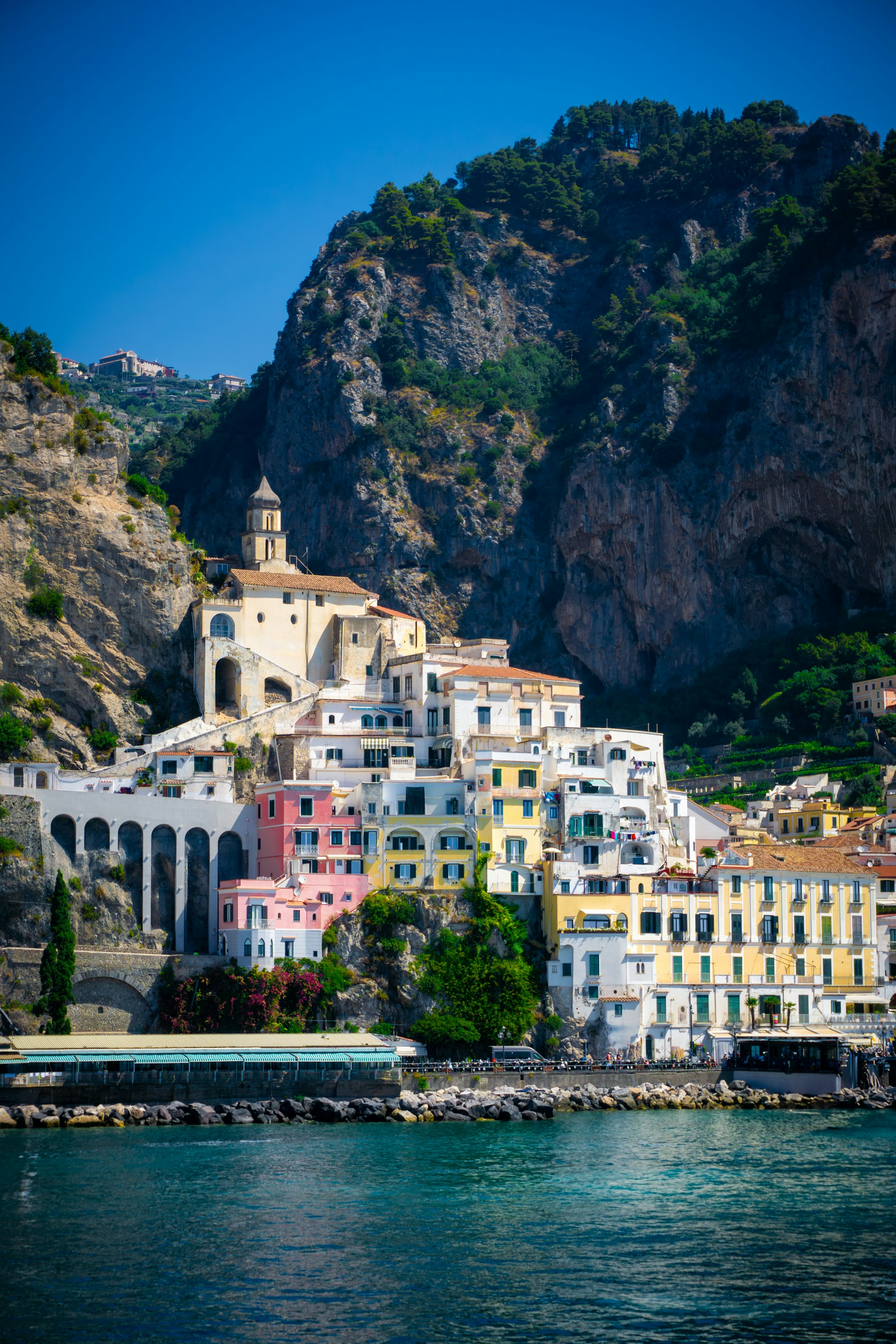
Which month suits your kind of holiday?
For a mixture of village visits, outdoor meals and some time at the beach, May and June deserve consideration. September suits travellers who still want a sea-focused holiday without arriving at the height of Italy’s summer holidays. July and August bring a fully established summer atmosphere, alongside more heat and movement. April and October can work well for exploring, provided your plans leave room for variable weather rather than relying on daily swimming.
No month reliably delivers sunshine, quiet streets and every seasonal service at once. Start by deciding what matters most: warm water, ferry excursions, restaurants within walking distance or unhurried days at the villa. The length of your stay makes a difference too. A week gives you more opportunities to move an outing to a better day, while a short visit built around one particular boat trip leaves less room for changes.
What is spring like from March to May?
Spring changes considerably across these three months. March can bring bright days alongside rain, wind and cool evenings; April remains changeable, while May generally offers milder conditions and longer daylight hours. This is an appealing time to explore Amalfi, spend time in Ravello or walk the coast’s paths when conditions allow. Before a longer hike, check the forecast, route conditions and any closures: stone steps and exposed rocky sections can be slippery after rain.
Easter often marks a shift towards the visitor season, but it is not a universal reopening date. Restaurants, beach establishments and ferry operators follow different calendars, and holiday weekends can be busy even in spring. The sea is usually cooler than it is after the summer months, so a sunny terrace does not necessarily mean comfortable swimming. For a spring villa stay, confirm heating arrangements and ask how usable the outdoor areas are during cooler or unsettled weather.
Should you choose June, July or August?
June offers very long days and a summer rhythm before the peak Italian holiday period. It is not an undiscovered interval: Positano, Amalfi and the main ferry boarding points can already be busy, particularly around midday. July and August are generally hot, making early mornings and evenings more comfortable for sightseeing and walks. The coast’s many stairways become a practical consideration in the heat, especially if every outing begins or ends with a substantial climb.
Seasonal businesses are generally operating most fully in summer, but traffic, queues and demand for restaurant tables reward some advance planning. Allow particular flexibility around Ferragosto, the Italian holiday on 15 August. When assessing a villa, check air conditioning in the rooms you will use, outdoor shade, road access and the actual route to nearby services. A sea view does not establish that the beach is close, nor that reaching it involves an easy walk.
Is September still good for swimming?
September often retains summer conditions, especially early in the month, and the sea holds warmth accumulated through the summer. This makes it a strong option for travellers who want to combine swimming with visits to the coastal towns. It is still a transitional month, however: rain, wind and rough seas can interrupt plans. By late September, daylight is noticeably shorter than in June, and an extra layer can be welcome when dining outdoors in the evening.
September should not be mistaken for an empty-coast season. It remains a popular travel period, and the main visitor centres can feel lively well after August ends. Many seasonal businesses continue operating, although timetables and opening hours need checking for your exact dates. If a day on the water is important, keep an alternative land-based outing in mind. Avoid making an essential onward connection depend entirely on a ferry operating in weather that cannot be guaranteed.
What changes in October and winter?
October can bring mild days suited to outdoor lunches and sightseeing without summer heat, but it asks for a more adaptable itinerary. Rain becomes more likely than in summer, and swimming is better treated as a possibility than the foundation of the holiday. A shoulder-season stay works particularly well when the villa itself is somewhere you want to spend time, with comfortable indoor spaces for a slower afternoon when the weather turns.
From November to March, the Amalfi Coast does not close, but the range of visitor-focused businesses becomes narrower. Some restaurants and shops remain open, while others take seasonal breaks; ordinary local life and essential services continue in the towns. Tourist ferry routes may be suspended or substantially reduced. A winter stay should therefore be planned around road connections, a convenient villa location and confirmed local openings, rather than approached as a summer beach holiday with fewer people.
What should you check before choosing your dates?
Check the transport connections your itinerary actually needs, rather than simply whether a route exists. Ferry schedules are seasonal, services do not reach every coastal village in the same way, and sailings can be cancelled in rough weather. Buses also run outside summer, but schedules can vary and peak-season services may be crowded. For arrival or departure days involving flights or trains, allow a realistic time buffer and identify a road-based alternative to any planned sea connection.
Ask equally specific questions about the villa: heating, air conditioning, access steps, exposure and walking distance to groceries and restaurants. If a property has a pool, confirm its opening period and whether heating is available; neither should be assumed from photographs. Recheck the opening hours of places you hope to visit shortly before travelling. A well-chosen month is not simply the one with the most appealing forecast: it is the one that supports the way you want to live during your stay.
Questions guests ask
- What are the best months for an Amalfi Coast villa stay?
- May, June and September are strong choices for combining sightseeing and outdoor living. The right month depends on how much you value swimming, warmer weather and avoiding peak summer crowds.
- Is May or September better for swimming?
- September generally has warmer seawater after the summer months. May can be pleasant for beach visits, but the water is usually cooler.
- Are restaurants and beach establishments open in October?
- Some remain open, while others reduce hours or close during the month. There is no coast-wide closing date, so check individual businesses for your travel dates.
- Do Amalfi Coast ferries run all year?
- Do not assume year-round service. Many routes are seasonal, and rough seas can cause cancellations. Check current operator schedules and keep a road-based alternative for essential journeys.
AI JV Concierge
Ask our AI JV Concierge
Tell it your dates, your group and the stay you imagine, in your own language — open the concierge chat at the bottom corner of this page. Giovanna follows every request personally.
Or write to Giovanna on WhatsApp
Continue reading
Amalfi Coast Restaurants and Nightlife: Booking Well