Amalfi Coast Wines and Campania: A Tasting Guide
Understanding Amalfi Coast wines begins beyond the sea view, among Furore’s terraces, Ravello’s hillsides and the vineyards tucked into the mountains around Tramonti. Look inland across Campania and Fiano, Greco di Tufo and Aglianico extend that journey, whether explored at a winery or through a private villa tasting arranged on request.
Which wines are made on the Amalfi Coast?
Costa d’Amalfi DOC is the appellation to look for on the label. It includes white, rosé and red wines, with the recognised subzones of Furore, Ravello and Tramonti, rather than describing one grape or a single style. Grapes grown in the area include Falanghina, Biancolella and local varieties such as Pepella, Ripoli, Fenile and Ginestra. Among the red varieties are Piedirosso, Aglianico and Tintore; the blend should always be checked for the individual wine.
The landscape provides context, but it cannot tell you exactly how a bottle will taste. Altitude, exposure, vintage and winemaking decisions create differences even between nearby vineyards. Start with a coastal white and red, asking which grapes they contain and how they were matured. That offers a more useful introduction than assuming every wine grown near the sea must taste salty, or that a geographical name guarantees a particular level of richness or freshness.
What should you look for in Furore and Ravello wines?
Furore’s vineyards belong to a steep landscape shaped by terraces, where access is not always straightforward. Its whites provide an engaging introduction to local blends, but the name alone does not tell you whether a wine will be light, substantial, oak-influenced or entirely unoaked. At a tasting, ask to compare bottles with different grape compositions or maturation methods. This helps distinguish the contribution of the vineyard from the producer’s decisions in the cellar.
Ravello encourages a hillside reading of the coast, beyond its celebrated sea-facing terraces. Look for the subzone on the label rather than assuming that a wine poured in the town was made from Ravello-grown grapes. If combining sightseeing with a winery visit, confirm the actual address, appointment arrangements and accessibility beforehand. A wine’s geographical designation is not necessarily the location of the tasting room, and a seemingly convenient stop may involve a separate journey.
Why include Tramonti in a coastal wine itinerary?
Tramonti reveals a more inland, mountainous side of the Amalfi Coast, with scattered hamlets, cultivated slopes and a longstanding agricultural tradition. Tintore is one of its distinctive local red grapes, capable of contributing deep colour and considerable structure. Not every Tramonti red is made entirely from Tintore, however. Asking about the blend matters: it prevents you from attributing every flavour or texture to a grape that may be only one component of the wine.
Allow time here to understand the vineyards rather than treating the visit as a quick sequence of pours. Ask about training systems, whether a vineyard walk is possible and what footwear the terrain requires. For a focused comparison, taste a Tramonti red alongside one from another coastal subzone, choosing similar vintages and maturation styles where practical. The purpose is to understand differences in expression, not to rank places whose growing conditions and traditions are distinct.
How do Fiano, Greco di Tufo and Aglianico fit in?
Fiano and Greco di Tufo take the journey towards Irpinia, inland from the coast. Fiano is a grape variety; Fiano di Avellino DOCG is a specific appellation, an important distinction when reading a wine list. Greco di Tufo DOCG likewise identifies a defined origin. Fiano can show floral, citrus and nutty notes, sometimes developing further complexity with age. Greco di Tufo often combines freshness with palate weight, although neither description is a fixed formula for every producer.
Aglianico is a significant Campanian red grape, forming the basis of appellations including Taurasi DOCG and Aglianico del Taburno DOCG. Its tannin, acidity and ageing potential call for a different approach from a light aperitif red, with vintage and winemaking strongly influencing how approachable a bottle feels. A balanced regional tasting might move from a coastal white to Fiano di Avellino and Greco di Tufo, finishing with an Aglianico selected for enjoyable drinking at its current age.
How can you arrange a private wine tasting in a villa?
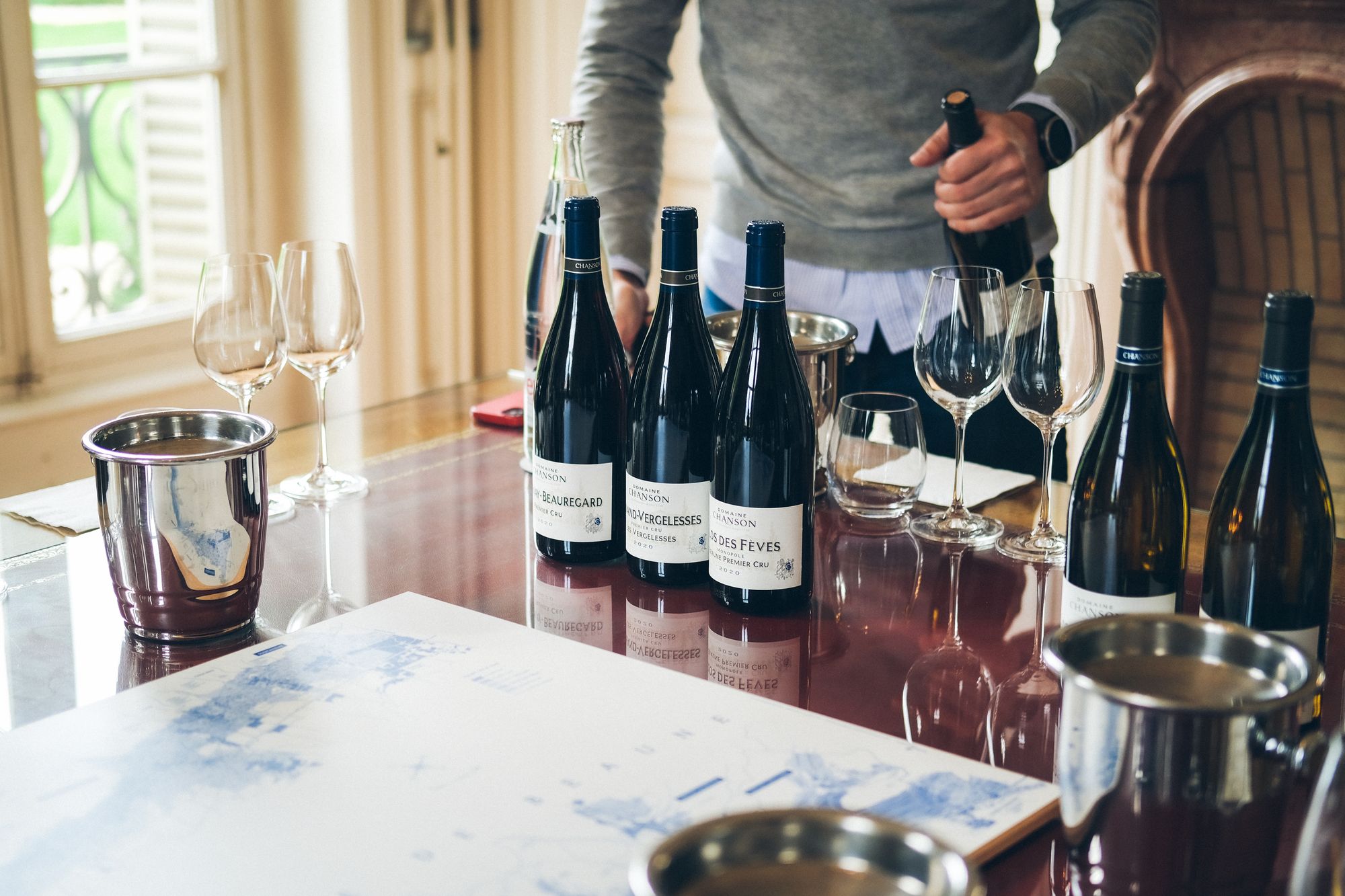
A private villa tasting can be arranged on request, with the scope, wine selection and service agreed beforehand. Decide whether you want to focus on the Amalfi Coast or compare its wines with those of inland Campania, and explain how familiar your group is with wine. A sommelier, food pairings and a private chef are arranged on request; each element should be confirmed alongside the practical requirements and quotation rather than assumed to be included.
Before confirming, request the proposed labels and vintages, possible substitutions and details of glassware, water and service equipment. Share allergies, dietary preferences and any interest in alcohol-free alternatives. An outdoor terrace may be appealing, but direct sun, wind and heat can affect serving temperatures and aromas, so identify a sheltered alternative. Modest tasting pours, pauses between wines and the option to leave a glass unfinished keep the experience focused on discovery rather than consumption.
Which food pairings and travel details deserve attention?
Begin with simply prepared fish and seasonal vegetables for coastal whites, taking care that dressings and acidity do not overwhelm the wine. A fuller Fiano may suit seafood pasta or poultry, while Greco di Tufo can work with fried dishes. For Aglianico and other tannic reds, consider roast meat, savoury bean dishes or mature cheeses. These are starting points rather than rules: the bottle’s age, weight and texture should guide the final pairing.
For winery visits, plan around actual locations and road conditions rather than fitting numerous coastal and Irpinian stops into one day. Coastal roads are winding and journey times vary with traffic. A driver can be arranged on request, removing the need for anyone to drive after drinking. If buying bottles, ask about shipping and storage requirements, especially in warm weather: leaving wine in a hot car can undermine an otherwise carefully chosen purchase.
Questions guests ask
- What is the Amalfi Coast’s wine appellation?
- Costa d’Amalfi DOC is the principal appellation to look for. It includes white, rosé and red wines and recognises the subzones of Furore, Ravello and Tramonti.
- Are Fiano and Greco di Tufo Amalfi Coast wines?
- Fiano di Avellino DOCG and Greco di Tufo DOCG come from inland Irpinia, not the Amalfi Coast. Fiano itself is a grape variety also grown elsewhere.
- Can a private wine tasting be arranged in a villa?
- Yes, on request. Wines, a sommelier, any food pairings, equipment and service conditions should be agreed and confirmed before the tasting.
- Should I choose a winery visit or a villa tasting?
- A winery visit introduces the place of production. A villa tasting allows comparisons across regions without additional travel. Both visits and private services require advance confirmation.
AI JV Concierge
Ask our AI JV Concierge
Tell it your dates, your group and the stay you imagine, in your own language — open the concierge chat at the bottom corner of this page. Giovanna follows every request personally.
Or write to Giovanna on WhatsApp
Continue reading
Wellness Villa Retreat Between Sorrento and Positano