Cooking with Local Families in Your Amalfi Coast Villa
Cooking with local families offers a way into Amalfi Coast life through everyday gestures: kneading dough, tasting a simmering sauce and preparing fish without overwhelming its flavour. A hands-on session in your villa can be arranged on request, with the most rewarding experience beginning with clear questions about your host, the menu and how much cooking you will actually do.
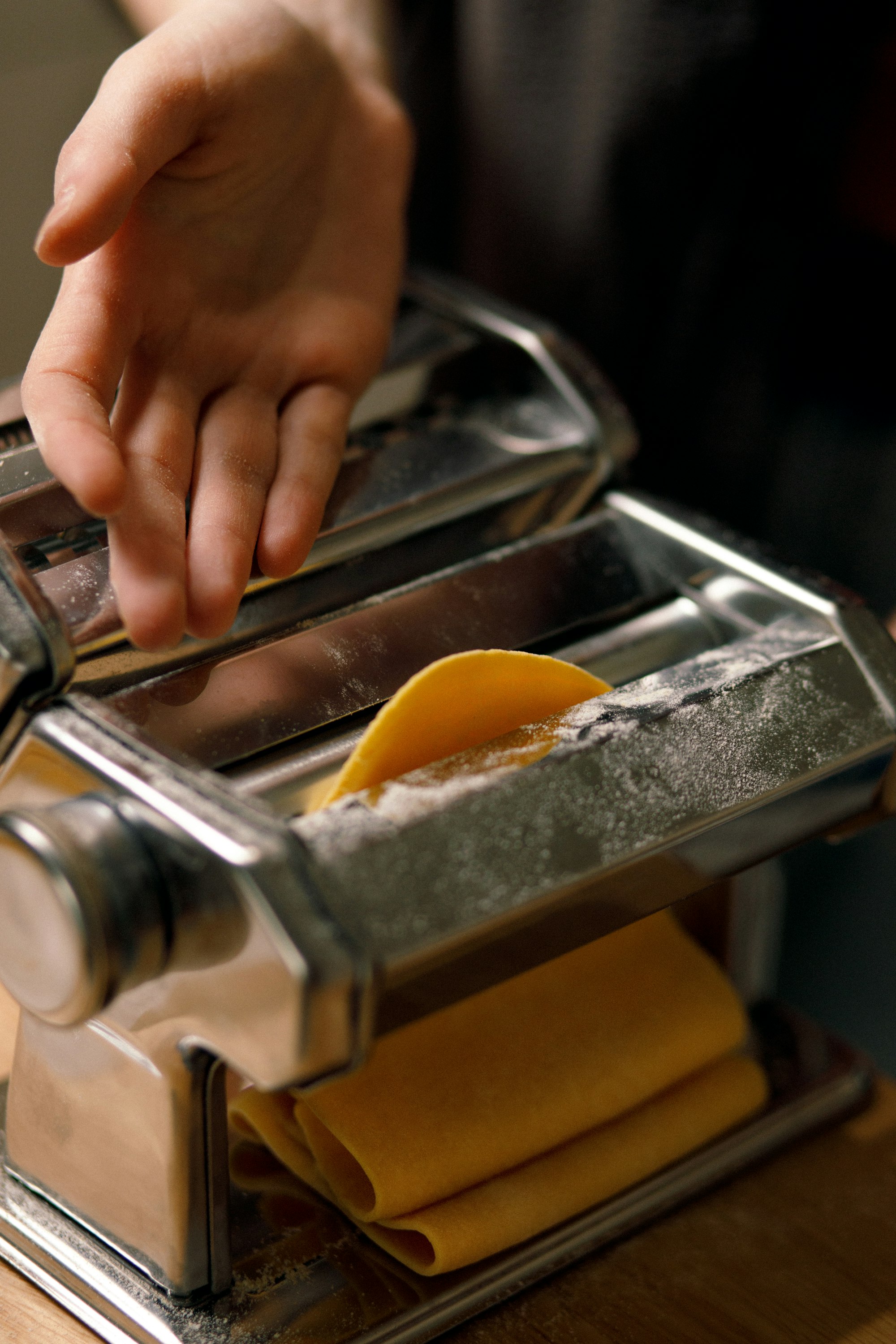
What does cooking with a local family actually involve?
A local family, a home cook and a professional chef do not necessarily offer the same experience. If domestic cooking traditions are your priority, ask for someone who can share their own household practices as well as teach a recipe. The involvement of a local family needs to be specifically verified; it should not be assumed simply because a cooking session takes place in a private villa.
Much of the learning lies in small decisions: when dough needs more water, how to recognise a sauce that has come together and when to transfer pasta into its dressing. Ask whether the session is genuinely hands-on. Will you have space to work, prepare an individual portion and practise each technique, or will the host demonstrate some stages while you watch?
Agree on the language and style of the session, too. A conversation about family recipes needs comfortable communication, while a relaxed evening may work well with short explanations between shared tasks. Neither format is inherently more authentic. What matters is choosing an encounter that suits your interests, without expecting someone’s everyday home life to become a performance for visitors.
Which pasta should you learn to make?
Scialatielli, a pasta shape associated with Amalfi, can be a relevant starting point if your host regularly makes them. Recipes vary, so the ingredients, thickness and cutting technique should be explained through the particular version being taught. Not all traditional Campanian pasta is freshly made, however, and a useful lesson does not have to begin with flour and eggs.
If making dough is your main interest, request a menu that allows time for mixing, any necessary resting and shaping. Handling your own small portion teaches something different from watching one large batch being prepared for everyone. Before confirming, have the villa’s work surfaces and utensils checked against the proposed lesson; a pasta machine or other specialist equipment should never be assumed.
Dried pasta can be equally instructive when the focus is on seasoning the water, judging doneness and finishing the pasta in its sauce. These details are particularly useful with seafood. One shape and one well-explained sauce are often more valuable than several rushed recipes. Ask for indicative quantities and texture cues to take home, rather than treating a cooking time as an inflexible rule.
Should the menu focus on ragù or seafood?
Neapolitan ragù belongs to Campania’s culinary tradition and depends on slow cooking. It is not a sauce to start and finish hastily within a short class. If this is what you want to learn, discuss a staged approach: an advance preparation for tasting, alongside a demonstration of the opening steps. Ask which meat cuts and household variation your host will use, rather than expecting one definitive family recipe.
A seafood session might centre on cleaning fish, preparing a pasta sauce or learning a straightforward oven dish. The choice of species should remain flexible according to what can be sourced appropriately that day. Fish bought locally is not automatically fish caught just off the Amalfi Coast. If origin or fishing method matters to you, ask directly when discussing the ingredients.
Pasta, ragù and seafood are three possible directions, not necessarily three courses to fit into one evening. Choose a main learning objective and keep the accompanying dishes manageable. Share dietary requirements before a menu is agreed, distinguishing preferences from allergies and cross-contact concerns. Fish, crustaceans, molluscs, wheat, eggs and dairy can each require different precautions, which the person cooking must be able to assess.
What needs checking in the villa kitchen?
A private villa provides an intimate setting, but not every kitchen is suitable for participatory cooking. Work surfaces, hob, oven, refrigeration and essential utensils should be checked before the menu is settled. Establish how many people can safely cook at once. The number who can comfortably join a practical lesson cannot be inferred from the property’s accommodation capacity.
Clarify who supplies ingredients, brings any missing equipment, sets the table and handles the final kitchen clean-up. These practical details make a substantial difference to the evening. Cooking sessions, any chef involvement and additional support are arranged on request; their scope, availability and conditions need confirmation for the individual villa. They should not be treated as services automatically included with a stay.
For children, ask about age-appropriate tasks such as weighing ingredients or shaping small pieces of dough, always with supervision. Knives, boiling water and raw seafood need separate consideration. Mention anyone who would rather observe than cook. A thoughtfully planned session can make room for both conversation and participation without requiring every person to complete every task.
How should you plan the experience around your stay?
Choose a day when you can return to the villa without rushing. A practical lesson is easier to enjoy when it is not squeezed between a demanding transfer and another appointment. Request a clear outline covering introductions, preparation, any waiting time and the meal itself. Confirm whether eating the dishes together is part of the proposed experience rather than assuming it is.
An optional ingredient-shopping visit should be discussed separately and arranged on request, with opening hours, transport and accessibility checked beforehand. It is not essential to a meaningful lesson. Ingredients brought to the villa can still prompt useful conversations about seasonality, storage and substitutions. Avoid building the whole menu around a particular fish or vegetable until its availability has been established.
For a useful initial enquiry, provide your travel dates, villa, participating guests, children’s ages where relevant and preferred language. Explain whether you most want to make pasta, understand slow ragù or gain confidence with fish, then add dietary needs and cooking experience. The editorial approach of The Amalfi Coast Journal is to look beyond dinner alone: choose something you will enjoy learning and can use again at home.
Questions guests ask
- Can a local family teach cooking in my Amalfi Coast villa?
- You can request this format, but a local family’s involvement and the suitability of the villa kitchen must be verified before confirmation.
- Can we make slow-cooked ragù in one lesson?
- It requires advance preparation or a sufficiently long session. Agree beforehand which stages you will practise and which will already be completed.
- Can we request a menu without seafood?
- An alternative menu can be requested in advance. Allergies, intolerances and cross-contact requirements must be checked with the person preparing the food.
- Are ingredients and kitchen clean-up included?
- Do not assume so. Confirm ingredients, equipment, the final meal and clean-up within the details of the experience arranged on request.
AI JV Concierge
Ask our AI JV Concierge
Tell it your dates, your group and the stay you imagine, in your own language — open the concierge chat at the bottom corner of this page. Giovanna follows every request personally.
Or write to Giovanna on WhatsApp
Continue reading
Amalfi Coast Wines and Campania: A Tasting Guide