Sfusato amalfitano: Lemons, Groves and Limoncello
The scent of sfusato amalfitano belongs to the Amalfi Coast as surely as the sea, rising from cultivated terraces, freshly cut peel and family kitchens. Following this lemon beyond the limoncello glass reveals a working agricultural landscape and a more thoughtful way to experience it.
What is sfusato amalfitano?
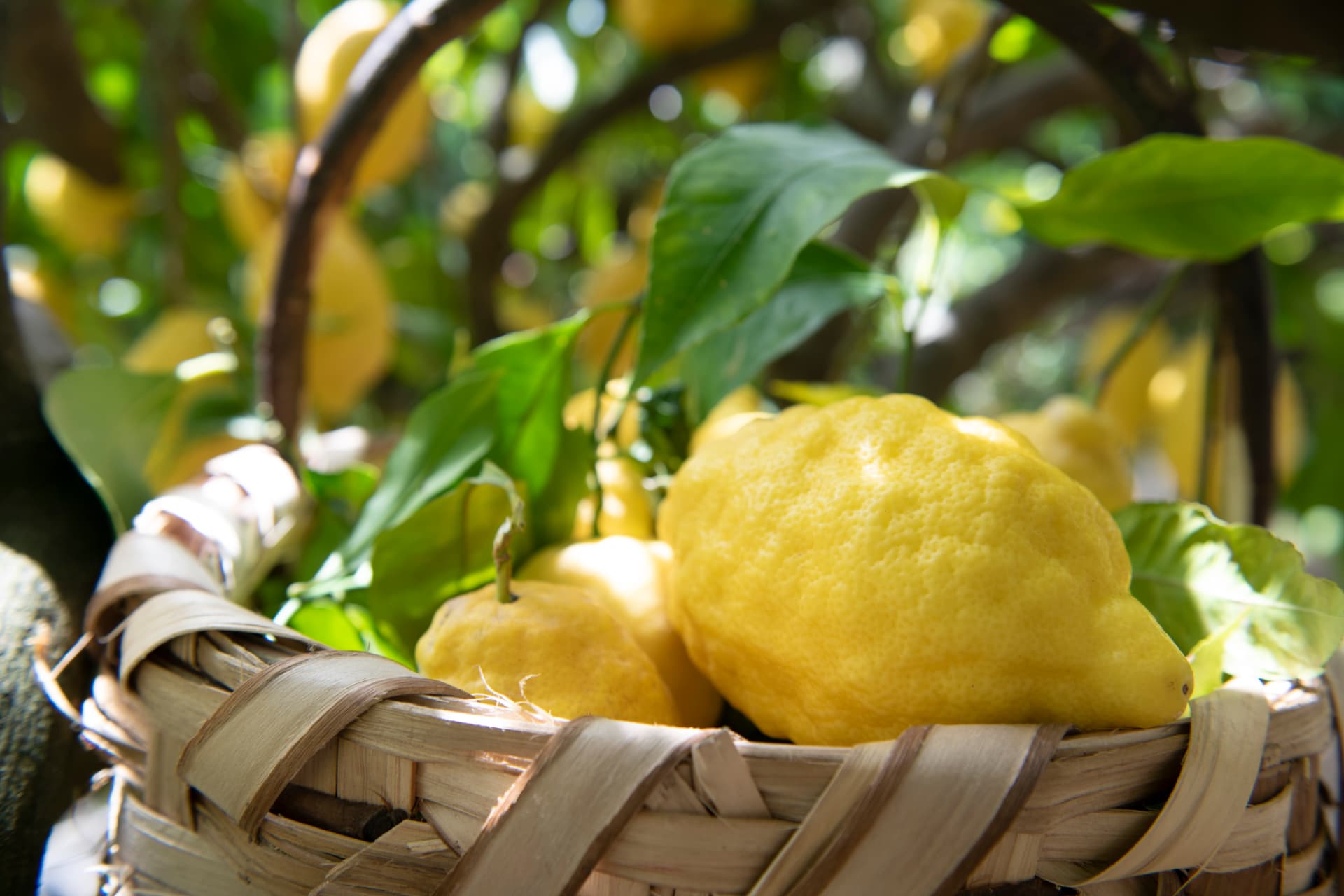
Sfusato amalfitano is the characteristic lemon of the Amalfi Coast, named for its elongated, tapered shape. Its peel is rich in essential oils, making the zest particularly important in cooking and liqueur production. This is still an acidic citrus fruit: its appeal is not that it lacks sharpness, but that its juice, flesh and fragrant skin offer different possibilities at the table.
Sfusato amalfitano and Limone Costa d’Amalfi IGP are related terms, but they are not interchangeable. The former identifies the lemon type; the latter is a protected geographical indication governed by production requirements and a defined area of origin. When buying lemons presented as IGP, look for the protected name and certification markings. A coastal illustration on packaging does not establish where the fruit was grown.
A simple introduction needs little ceremony. Notice the shape, smell the peel of a freshly cut fruit and taste a few drops of juice. If you plan to use the zest, check that the peel is suitable for consumption and wash the lemon. Buying from a grower also creates an opportunity to ask when the fruit was harvested and how to store it during your stay.
Why are Amalfi Coast lemon groves terraced?
With little flat ground available, terraces turn steep slopes into cultivable plots supported by retaining walls, often built using dry-stone techniques. A lemon grove seen from the road is therefore a maintained agricultural space, not a landscape that simply looks after itself. Walls, access paths, irrigation and supporting structures all need attention. The visual appeal of the terraces depends on the continuing work of the people who farm them.
Traditional groves use pergola structures and protective coverings according to local conditions and the season. Steps and narrow paths connect the levels, shaping how equipment and harvested fruit can be moved. A farm visit brings these practical details into focus. Ask how the harvest is carried out and which tasks become most demanding on a slope; the answers often reveal more than a photograph can.
Amalfi, Minori and Maiori are useful places to encounter this landscape. The Path of the Lemons, or Sentiero dei Limoni, links Maiori and Minori through the village of Torre, with views of cultivated slopes and the sea. Walking the public route does not give access to private agricultural land. Entering a grove requires the owner’s permission, and picking fruit requires explicit consent, even when a branch appears within easy reach.
How do you choose a meaningful lemon grove visit?
Start by asking what the visit actually involves. Who will lead it? Does the route enter a working grove? Will there be time to discuss cultivation, or is the experience mainly a tasting? Either format can be enjoyable, but they serve different interests. For a deeper understanding of sfusato amalfitano, look for an agricultural visit that makes room for the grower’s knowledge and your questions.
Visits and any tastings are arranged on request, subject to confirmation from the producer. Before making plans, mention mobility needs, children, allergies and preferences for alcohol-free samples. Ask about steps, the precise meeting point and toilet facilities rather than relying on a general duration. Historic groves can involve narrow passages, uneven surfaces and exposed approaches, so suitability should be assessed for the particular property rather than assumed.
There is no single date that guarantees the same harvesting experience everywhere. Lemon trees can flower more than once, while fruit and farm activities vary with seasonal conditions and cultivation practices. If joining a harvest matters to you, request specific confirmation instead of drawing conclusions from promotional photographs. Grippy footwear, drinking water and sun protection remain sensible even for a short visit close to town.
What should you know about limoncello and lemon dishes?
Limoncello is made by infusing lemon peel in alcohol and combining the infusion with a syrup of sugar and water. Recipes and infusion times vary, so different producers can achieve noticeably different balances. During a tasting, consider the fragrance of the peel separately from sweetness and alcoholic warmth. A vivid colour or thick texture alone is not a reliable measure of quality.
Check the label or ask the producer whether local lemons are used: buying a bottle on the Amalfi Coast does not, by itself, establish the origin of its ingredients. If taking it home, check the alcohol content, bottle size and the liquid and alcohol rules relevant to your journey. Limoncello remains an alcoholic drink when served as a digestivo, and anyone driving should choose an alcohol-free tasting instead.
In the kitchen, the lemon’s role extends well beyond liqueur. Zest can perfume pasta, fish dishes and cakes, while juice brightens vegetables and dressings. Look for lemon sorbet and delizie al limone, pastries associated with the Sorrento peninsula and the Amalfi Coast. Ask which lemons are being used rather than treating a dish’s name as proof of provenance. These conversations can be as revealing as the tasting itself.
How can a lemon experience fit into a villa stay?
A gently paced morning usually offers more than an overfilled itinerary. Choose one agricultural visit, leave time for lunch nearby and avoid adding several distant stops before returning. From Praiano, as from other coastal towns, a short distance on the map does not always mean a quick journey. Traffic, pedestrian approaches and the exact departure point should all inform the schedule rather than being treated as minor details.
If walking the Path of the Lemons, check current route conditions and plan for steps, heat and sun exposure. The public walk and a private grove visit are separate activities; neither should be assumed to include the other. A driver can be arranged on request, but confirm where a vehicle can stop and whether the final approach must be completed on foot. Road access and grove access are not necessarily the same thing.
Back at the villa, the experience can continue through a few carefully chosen ingredients. A private chef, arranged on request, can develop an agreed menu using lemons of verified origin while accommodating dietary preferences and allergies. A more informal approach is equally worthwhile: bring home some fruit and a clearly labelled bottle. The lasting souvenir is a better understanding of the cultivated coast and the work behind its familiar fragrance.
Questions guests ask
- Is sfusato amalfitano the same as Limone Costa d’Amalfi IGP?
- They are related, but IGP denotes compliance with defined geographical and production requirements. The word sfusato alone does not establish certification.
- Can you enter Amalfi Coast lemon groves without permission?
- No. Groves are private agricultural land. Entry requires the owner’s permission, and visits are arranged on request, subject to confirmation.
- Does the Path of the Lemons include a limoncello tasting?
- No. It is a walking route between Maiori and Minori. Farm visits and tastings are separate experiences, arranged on request.
- Are lemon experiences suitable for people who do not drink alcohol?
- Yes. Choose a cultivation-focused visit and request alcohol-free samples, confirming the options with the producer before you go.
AI JV Concierge
Ask our AI JV Concierge
Tell it your dates, your group and the stay you imagine, in your own language — open the concierge chat at the bottom corner of this page. Giovanna follows every request personally.
Or write to Giovanna on WhatsApp
Continue reading
Cooking with Local Families in Your Amalfi Coast Villa